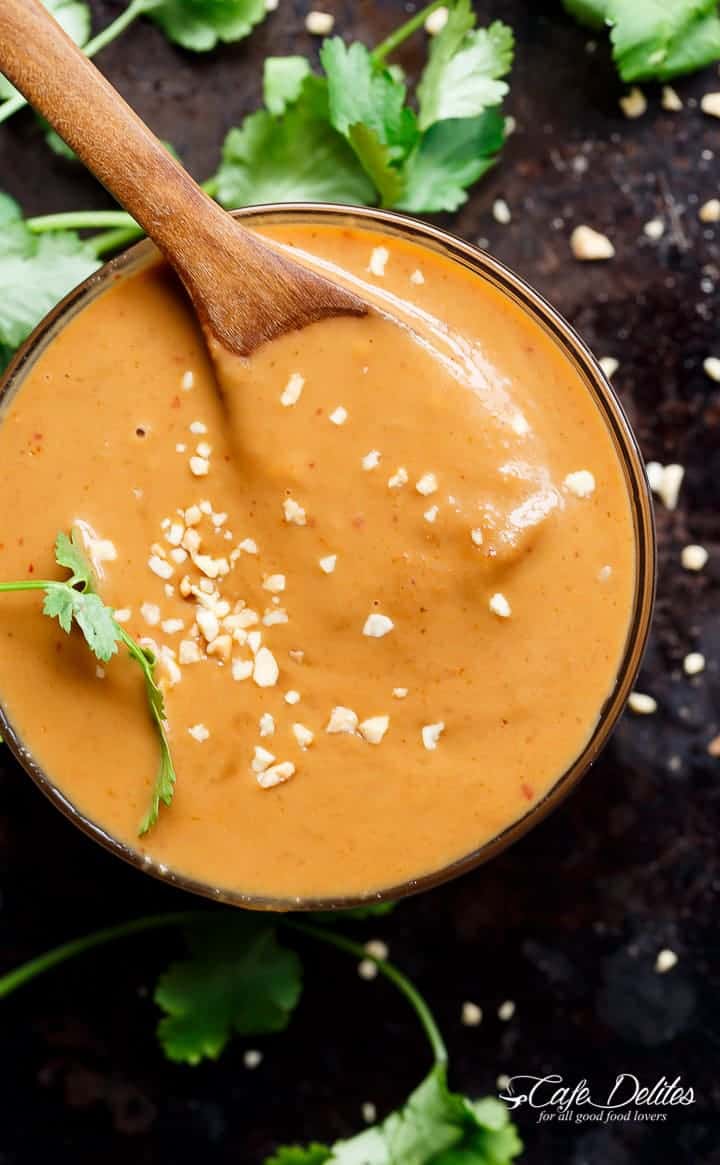
Versatile Satay Dip: Perfect for Grilling, Dipping, & Noodles
Imagine a sauce so captivating it transforms a simple meal into an extraordinary culinary experience. That’s the magic of a truly exceptional satay dip. Forget bland, overly sweet, or greasy versions; we’re diving into an easy satay dipping sauce recipe that promises bold, creamy, and perfectly balanced flavors right from your kitchen. This isn't just any peanut sauce; it's a versatile powerhouse designed to make your grilled chicken disappear faster than you planned, elevate your noodles, and bring a vibrant zing to a multitude of dishes.
Street food stalls perfected this art decades ago, and now, with common pantry staples, you can recreate that authentic, restaurant-quality taste in minutes. Whether you’re a seasoned home cook or just starting your culinary journey, this recipe is designed for success, delivering rich complexity and a delightful texture that will have everyone asking for more.
The Secret to a Truly Exceptional Satay Dip
What sets a phenomenal satay sauce apart from a merely good one? It’s all about harmony and depth. Our goal for this bold & balanced satay sauce is to strike a delicate equilibrium between rich creaminess, savory umami, gentle heat, and a bright finish. Many homemade versions fall short, often ending up too sweet, too spicy, or worst of all, flat and claggy. This easy satay dipping sauce recipe, however, avoids these common pitfalls through carefully selected ingredients and a thoughtful cooking process.
Creamy Without Being Heavy
The foundation of an outstanding satay sauce lies in its texture. We achieve a luxurious creaminess without any heaviness by carefully balancing coconut milk and creamy peanut butter. This dynamic duo ensures the sauce remains smooth and spoonable, whether it's warm, at room temperature, or even chilled. There's no risk of it becoming thick and gloopy as it cools, maintaining that desirable pourable consistency perfect for drizzling or dipping.
A Proper Savoury Backbone
To prevent the sauce from tasting like a dessert or falling flat, it needs a robust savory profile. This is where ingredients like fish sauce and sweet soy sauce (Kecap Manis) play a crucial role. Fish sauce provides an incredible depth of umami and a foundational saltiness, while Kecap Manis adds a unique caramel-like sweetness and complex savoriness that is characteristic of authentic Indonesian satay. Together, they create a rich, multidimensional flavor that grounds the sauce and makes it irresistibly moreish.
Controlled Heat
A good satay sauce should warm your palate, not scorch it. Thai red curry paste is our secret weapon here, infusing the sauce with fragrant spices and a gentle, inviting warmth. The beauty of this paste is its ability to deliver complex flavor without overpowering the star ingredient: peanuts. This controlled heat ensures that our easy satay dipping sauce recipe is enjoyable for a wide range of palates, from those who prefer mild flavors to those who appreciate a subtle kick.
Bright and Lively Finish
Just as a dish needs a final flourish, a satay sauce benefits immensely from a touch of acidity to cut through its richness. A squeeze of fresh lime juice right at the end is non-negotiable. It provides a vibrant, bright finish that awakens the palate, preventing the sauce from feeling dull, especially when paired with grilled meats or rich proteins. This crucial step elevates the entire flavor profile, making each bite fresh and exciting.
Unveiling the Core Ingredients of Our Easy Satay Dipping Sauce Recipe
The beauty of this recipe lies in its simplicity, utilizing common pantry staples to create a flavor profile typically associated with gourmet restaurants or bustling street markets. Each ingredient plays a vital role in constructing the sauce's harmonious taste and texture.
- Coconut Milk: This forms the silky, luxurious base of our sauce. Beyond its creamy texture, coconut milk imparts a subtle sweetness that beautifully balances the savory, spicy, and tangy notes, contributing to the overall smoothness without adding heaviness.
- Creamy Peanut Butter: The undeniable heart and soul of any peanut satay sauce. It delivers that signature nutty richness and contributes significantly to the sauce's smooth, velvety texture. Using a good quality, natural peanut butter (without excessive sugar or oils) is key for the best flavor.
- Kecap Manis (Sweet Soy Sauce): A cornerstone of Indonesian cuisine, this thick, dark, and sweet soy sauce is paramount for authentic satay flavor. It brings a unique caramel-like depth and a molasses-like sweetness that no ordinary soy sauce can replicate.
- Thai Red Curry Paste: More than just heat, this paste infuses the sauce with an aromatic blend of spices like lemongrass, galangal, kaffir lime, and chilies. It provides an earthy warmth and an undeniable fragrance that screams "satay."
- Fish Sauce: As mentioned, fish sauce is your umami amplifier. It adds a crucial layer of savory depth and saltiness, ensuring the sauce is well-rounded and deeply flavorful, preventing it from tasting one-dimensional.
- Tamarind Paste (Optional but Recommended): While not explicitly in all simplified recipes, a touch of tamarind paste can add a wonderful, complex sourness that complements the sweetness and heat. It contributes a fruity, slightly tangy note that deepens the overall flavor profile.
- Brown Sugar (or Palm Sugar): A touch of sugar helps balance the savory and spicy elements, enhancing the caramel notes from the Kecap Manis. Palm sugar offers a more traditional, nuanced caramel sweetness if you have it.
- Fresh Garlic: Minced garlic adds a pungent, aromatic foundation that is essential for building complex flavors in any savory sauce.
Crafting Your Perfect Satay Dip: A Step-by-Step Guide
Making this easy satay dipping sauce recipe is surprisingly straightforward, requiring minimal effort for maximum flavor payoff. Follow these simple steps to create a sauce that tastes like it came from your favorite Asian eatery.
- Combine Ingredients: In a medium saucepan, add the coconut milk, creamy peanut butter, Kecap Manis, brown sugar (or palm sugar), Thai red curry paste, fish sauce, tamarind paste (if using), minced garlic, and a pinch of salt.
- Whisk Until Smooth: Before applying heat, give the mixture a good whisk. This ensures all the ingredients are thoroughly combined and the peanut butter is fully incorporated, leading to a perfectly smooth sauce.
- Simmer Until Thick: Place the saucepan over medium heat. Bring the mixture to a gentle boil, stirring constantly to prevent sticking. Once it reaches a boil, reduce the heat to low and simmer for 5 to 6 minutes, stirring often. During this time, the sauce will thicken slightly and develop a beautiful glossy sheen. The key is to let it gently bubble and cook through to meld all the flavors.
- Finish With Lime: Remove the saucepan from the heat. Now, stir in 1 tablespoon of fresh lime juice. Taste the sauce – this is where you fine-tune the balance. If it needs more brightness or to cut through the sweetness or heat, add another splash of lime juice, a little at a time, until it’s perfect for your palate.
- Serve Warm: This satay dip is best served warm, showcasing its rich aromas and smooth texture. If the sauce thickens too much upon cooling, simply whisk in a splash of warm water or coconut milk until it reaches your desired consistency.
Elevating Your Satay Experience: Customization and Serving Suggestions
One of the greatest attributes of this easy satay dipping sauce recipe is its flexibility. It's fantastic as is, but also incredibly receptive to minor tweaks that can tailor it to your specific preferences or meal.
Customization for Your Palate
- Chilli Crisp for Texture and Heat: For those who crave an extra layer of spice and a delightful textural element, stir in a spoonful of chili crisp at the very end. The crispy bits add crunch, and the infused oil brings a deeper, lingering heat.
- Palm Sugar for Authentic Sweetness: If you're looking to replicate traditional flavors even more closely, swap brown sugar for palm sugar. Palm sugar offers a more complex, caramel-like sweetness that harmonizes exceptionally well with grilled meats.
- Cashew Butter Alternative: For a slightly different nut profile or if you have peanut allergies (though careful cross-contamination measures are vital), cashew butter can be a great alternative. It tends to yield a slightly sweeter and even smoother sauce.
- Rice Vinegar for Softer Acidity: If you find lime juice a bit too sharp, especially when pairing the sauce with very rich meats like lamb or beef, consider swapping a portion of the lime juice for rice vinegar. It provides a milder, softer acidity that can be a wonderful complement.
- Add Aromatics: For an extra layer of fragrant depth, consider adding finely grated fresh ginger or a bruised stalk of lemongrass to the saucepan along with the other ingredients. Remove the lemongrass before finishing with lime.
Versatile Serving Ideas
The applications for this incredibly versatile satay sauce are virtually endless. Its robust flavor and creamy texture make it suitable for a wide array of dishes, transforming everyday meals into something special.
- Classic Dipping Sauce: This is its most famous role. It pairs beautifully with grilled chicken satay skewers, beef, pork, or even lamb. Don't stop there – try it as a dip for crispy oven-fried shrimp, fresh spring rolls, or even simple vegetable sticks.
- Noodle Enhancement: Spoon this rich, nutty sauce over your favorite noodles. It’s magnificent with a Singapore Zoodle Stir Fry With Chicken, or simply tossed with warm rice noodles and some stir-fried vegetables for a quick and satisfying meal. It can even replace the sauce in a cold noodle salad for a refreshing twist.
- Drizzle Over Vegetables: Elevate roasted broccoli, grilled asparagus, or steamed green beans with a generous drizzle of warm satay sauce. It adds incredible flavor and moisture to plant-based dishes.
- Salad Dressing: Thin it out slightly with a little water or lime juice, and it becomes an exquisite dressing for green salads, particularly those with Asian-inspired ingredients like shredded cabbage, carrots, and bell peppers.
- Marinade: While primarily a dipping sauce, a thinned-out version can also serve as a fantastic marinade for chicken or pork before grilling, infusing the meat with those incredible satay flavors.
- Sandwiches and Wraps: Spread a thin layer inside chicken or veggie wraps and sandwiches for an unexpected burst of flavor.
Conclusion
From backyard barbecues to weeknight dinners, mastering this easy satay dipping sauce recipe opens up a world of culinary possibilities. It’s more than just a condiment; it’s a flavor experience that brings the vibrant tastes of Southeast Asia right to your table. With its perfect balance of creamy richness, savory depth, gentle heat, and bright acidity, this versatile satay dip is guaranteed to become a cherished recipe in your kitchen arsenal. So gather your pantry staples, whip up a batch, and prepare to impress your taste buds and your guests with this extraordinary sauce.
